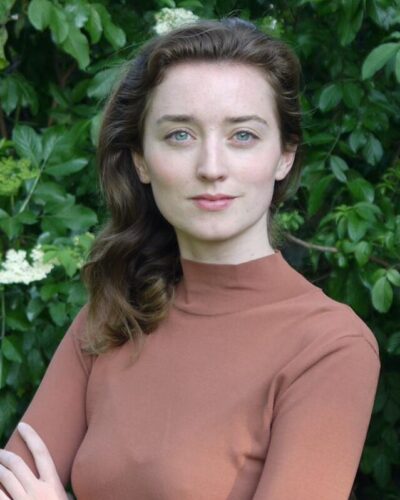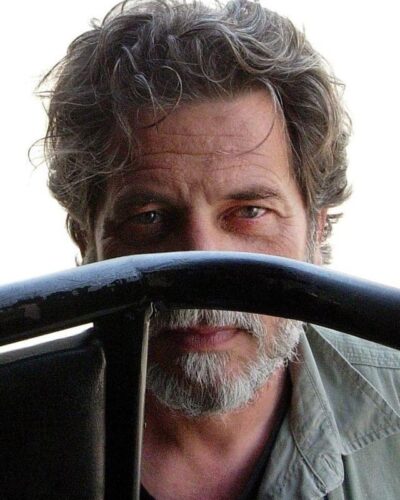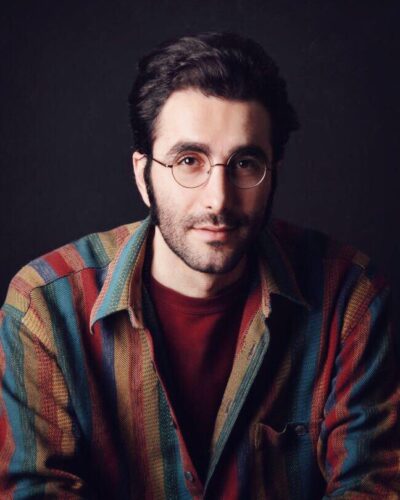
Riddhi Debh
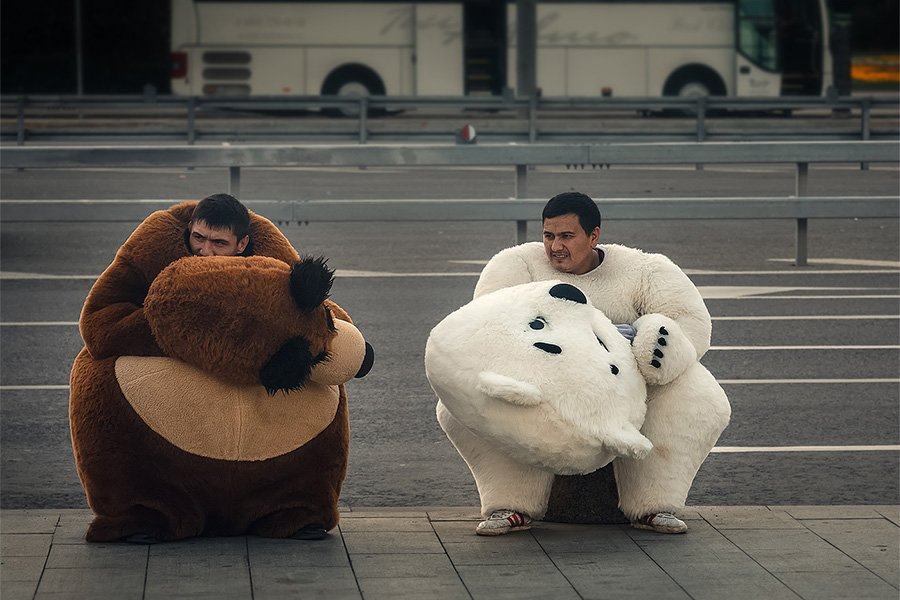 Riddhi is a widely published and featured photographer and traveller from India. She has travelled to 24 countries and focuses on telling stories of those places through street, portrait and landscape photography. Her interest lies in storytelling and presenting the emotion of the moment. She is fascinated by how human beings engage differently with the [...]
 Efi Longinou
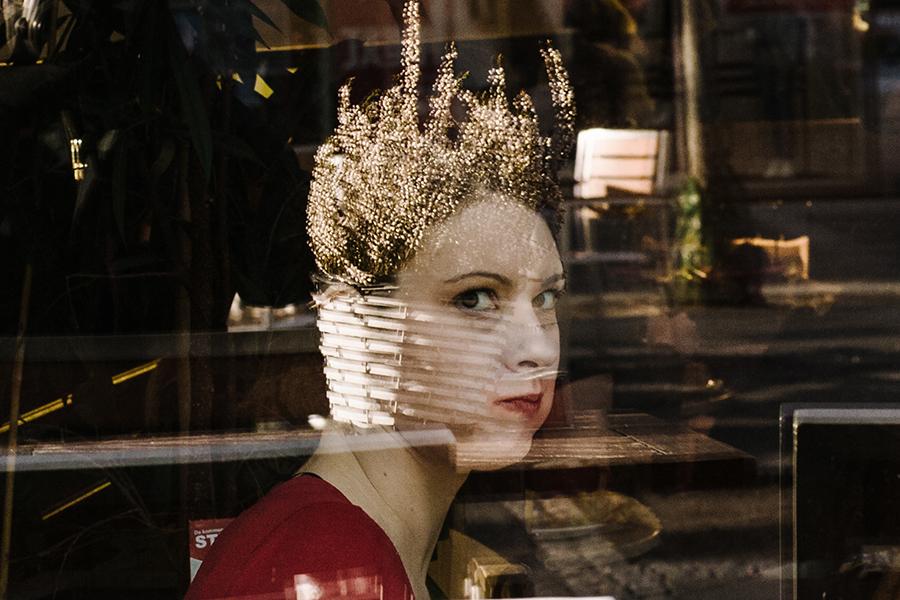 I am an actress by profession currently living in Berlin, Germany. It all started five years ago in Greece, the country where I come from. I discovered photography for myself as a mean of artistic expression and it became my new passion ever since then. Taking pictures provided me with the opportunity to follow the [...]
 Anthimos Ntagkas
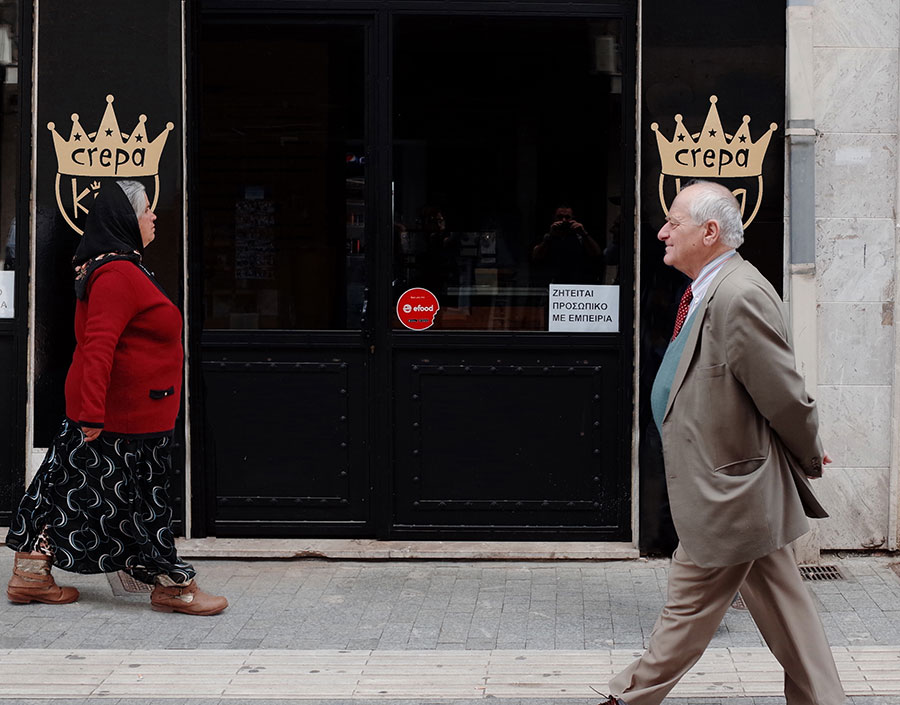 Anthimos Ntagkas Anthimos Ntagkas was born in Athens in 1979. He graduated from the Military Academy and currently works at the Geographical Agency of the Greek Army. His first engagement with arts was in 2013 with his participation at the "Atopic Bodies", a performance at Atopos CVC. He continued with the publication "My Body is [...]
 Ximena Echague
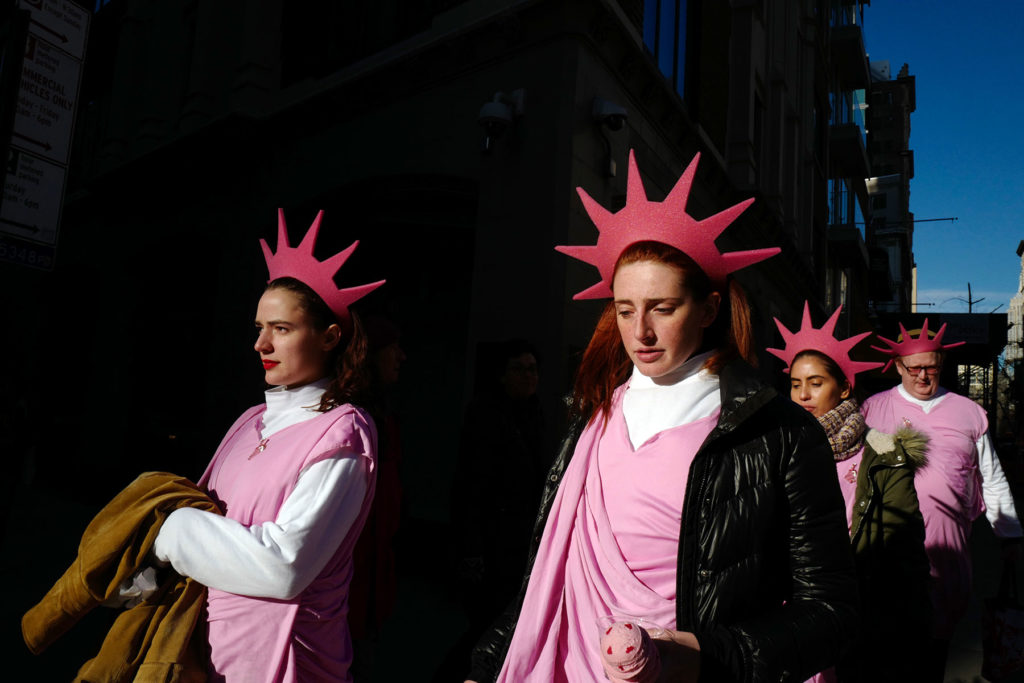 Ximena Echague I grew up in Buenos Aires, became a photographer in Europe, and I am now living between New York and Brussels. I have learned a lot in many street and documentary photography workshops over the years. From MAGNUM to IN-PUBLIC, from APF to LEICA AKADEMIE and, more recently, at the International Center of [...]
 Gil Ribeiro
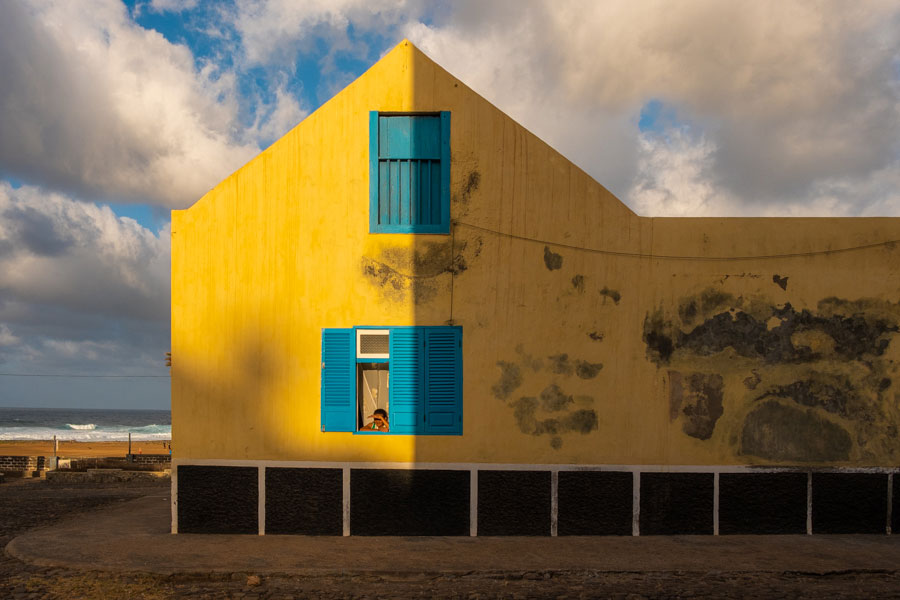 I’m a Portuguese freelance photographer and filmmaker based in Lisbon. I was born in S. Bernardo do Campo, Brazil and moved to Lisbon as a young child. I began photographing with more regularity in 2017. What started as a hobby ended up becoming a passion. With time I established a great interest in street and [...]
 Bas Hordijk
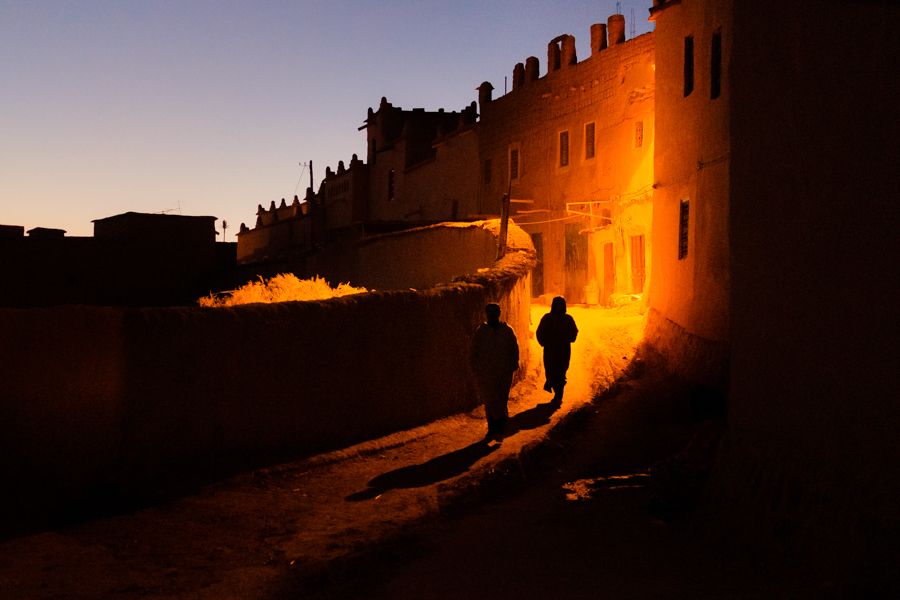 Bas Hordijk is obsessed with the human figure in its surroundings. With his eye for composition, he captures the fleeting moments of romance and delicacy within the chaos of everyday life. After graduating with honours at the University of the Arts Utrecht (HKU), he now does photography and filmmaking full time. [thb_button_text link="url:http%3A%2F%2Fwww.bashordijk.com|title:Bas%20Hordijk%20Website|target:%20_blank|"][thb_button_text link="url:http%3A%2F%2Fwww.instagram.com%2Fbas.hordijk|title:Bas%20Hordijk%20Instagram|target:%20_blank|"] About [...]
 Salvatore Matarazzo
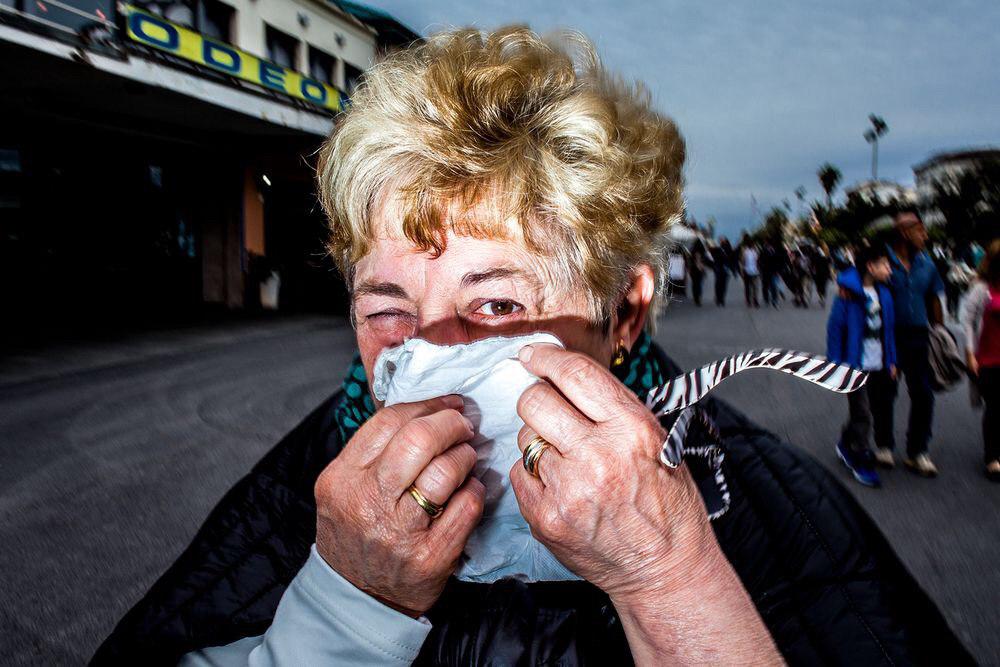 Salvatore Matarazzo With street photography, I share the vision I have of my country through the faces of those who live here. My approach is extreme and direct. I get very close, physically, to the people I photograph. With the flash I try to highlight that mask of vanity that each of us has built [...]
 Chun Ming Chan
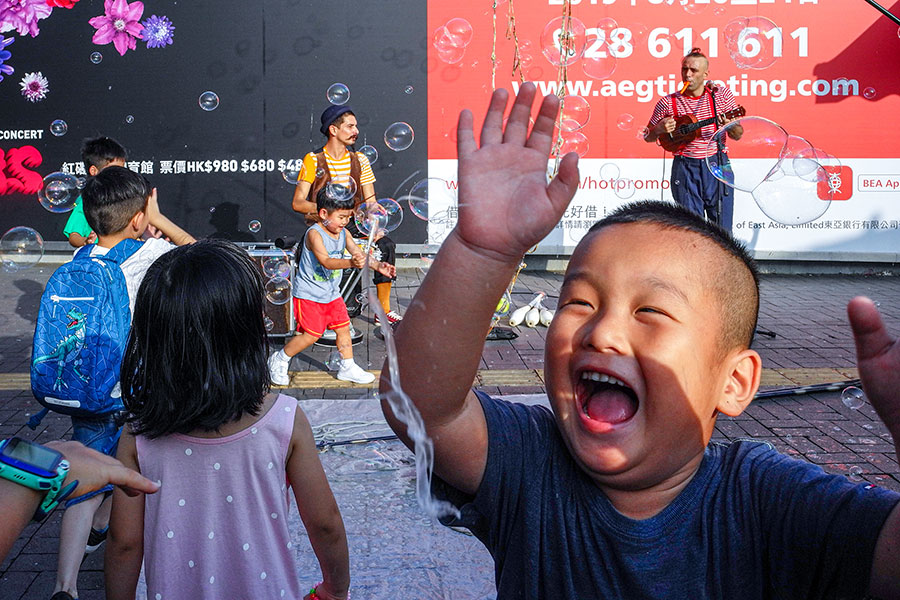 Chun Ming Chan I born in Hong Kong in 1958, and has been retired from a career in banking since 2014. My first contact with photography was in 1977. I have not been very serious on my photography for over 30 years. I regain my photography interest from 2009 mainly on birds photography but change [...]
 Nursen Cosar
 Light and Shadows. Using alive elements such as human and animals and combining them with light shadow and geometry in a minimal and simple compositions constitutes my photographic style.
 Jose Luis Barcia
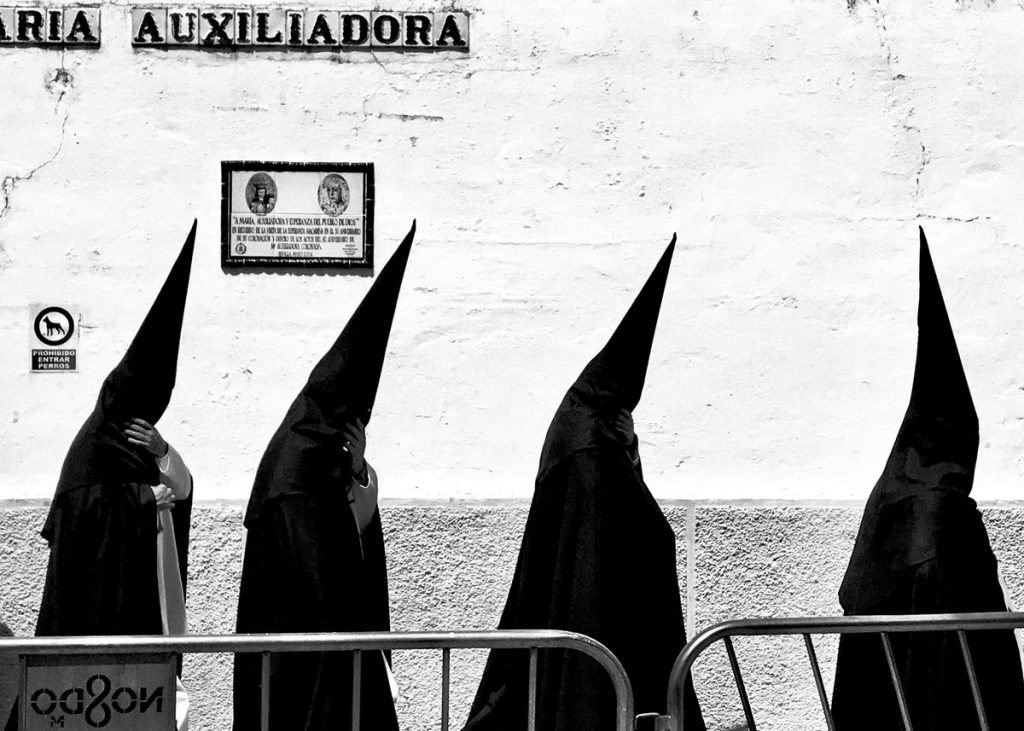 My name is José Luis Barcia Fernandez and I am 43 years old. I was born in Pola de Siero, Asturias, a beautiful region in northern Spain and I am currently living in Madrid. I have a Chemistry degree and I work as a logistics manager in a multinational retail company. I am interested in [...]
 Yiannis Trifonopoulos
 Yiannis Trifonopoulos is a graphic designer and a photographer based in Kavala, Greece. He studied Cultural Informatics and Communication, focusing on Museology. He is a member of Photoclub of Kavala since 2015. He has attended workshops with Eleni Mouzakiti and Stratos Kalafatis.
 Nick Hannes
 Striking photos of the ultimate playground for millionaires “Dubai is both fascinating and controversial. It has fans and critics. I don’t like to decide what viewers should think when looking at my work; they should fill in the story according to their own visions and knowledge.” Photographer Nick Hannes’s series Bread and Circuses ‘showcases Dubai [...]