Tag: street photo

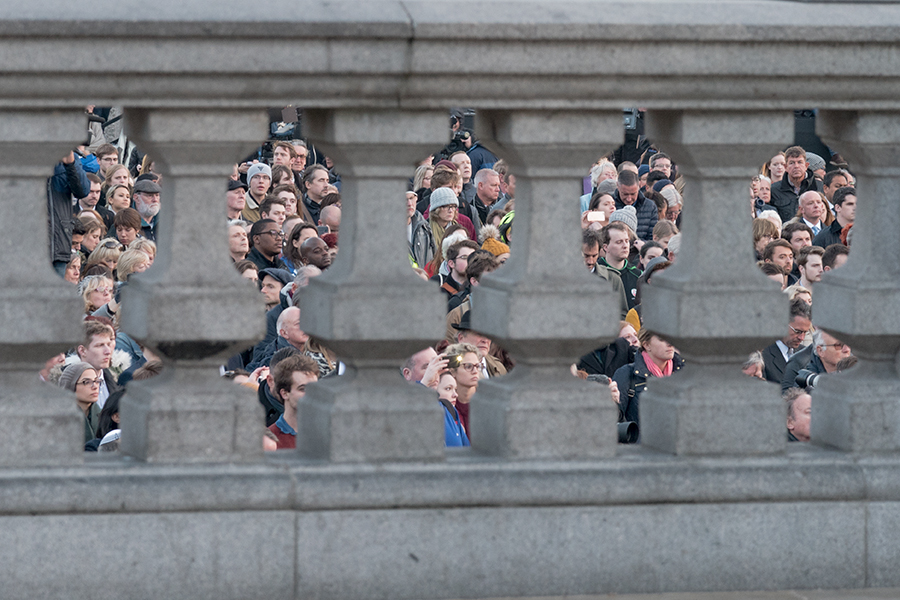
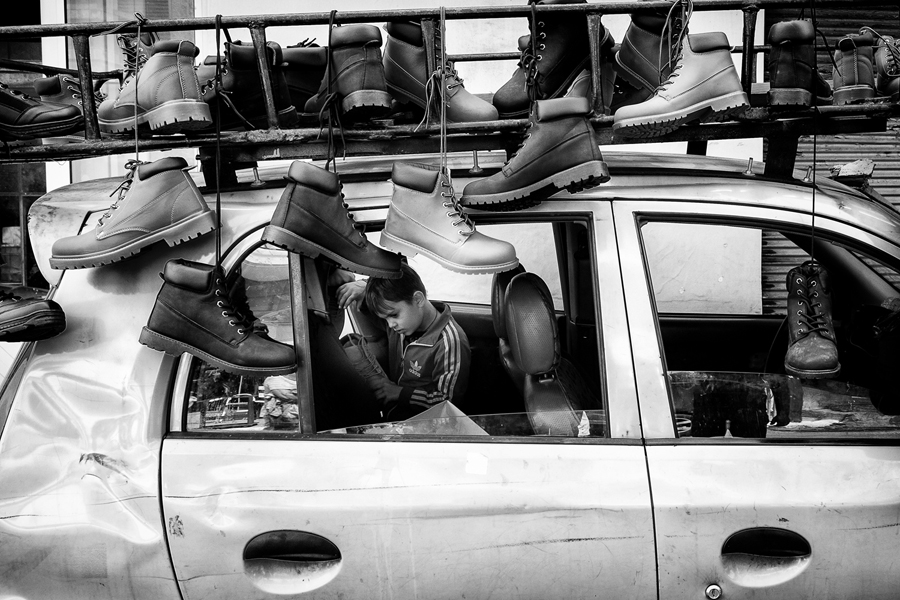
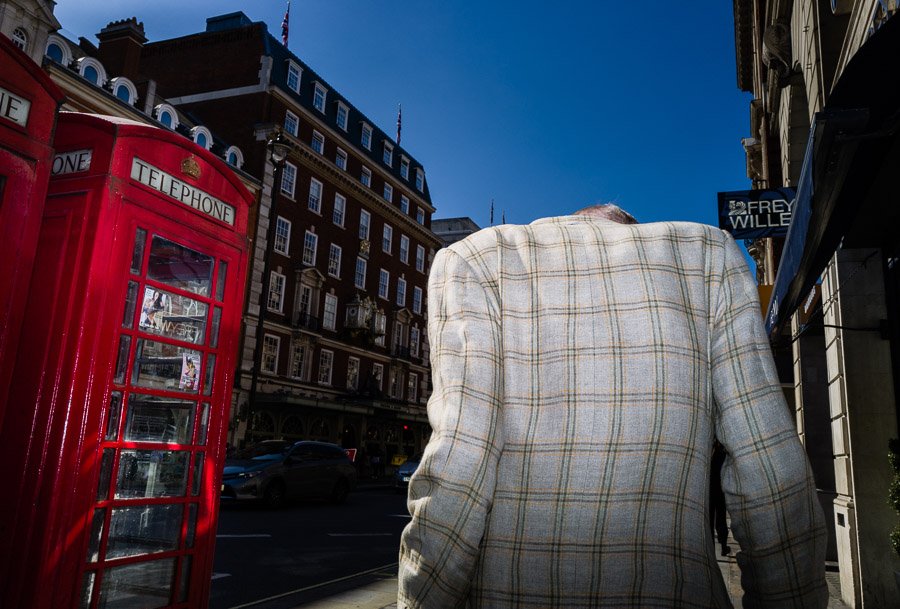
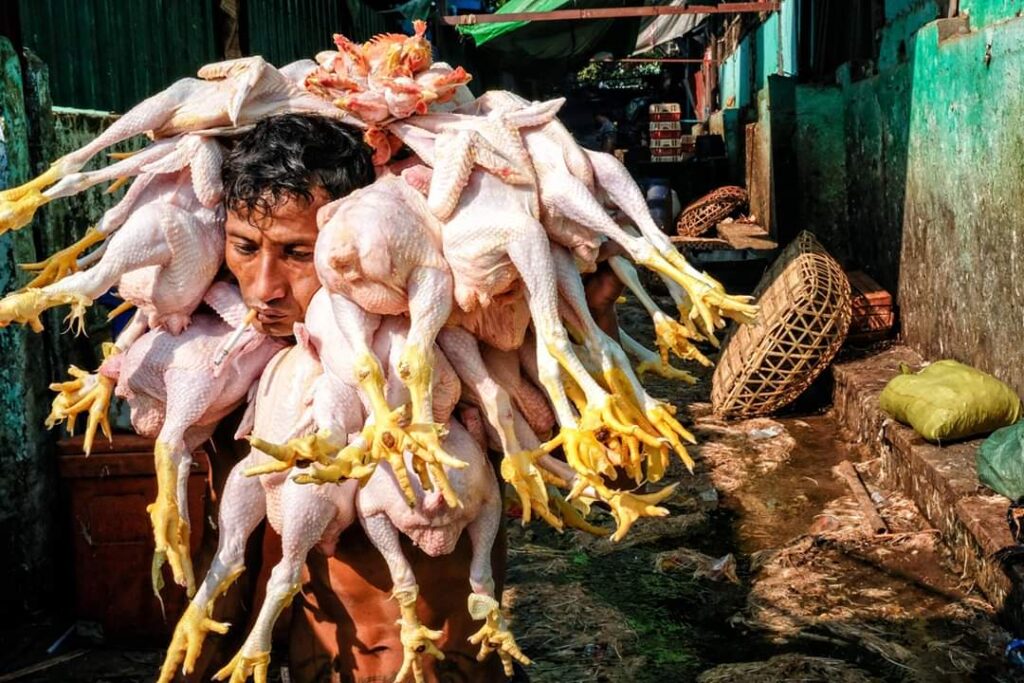
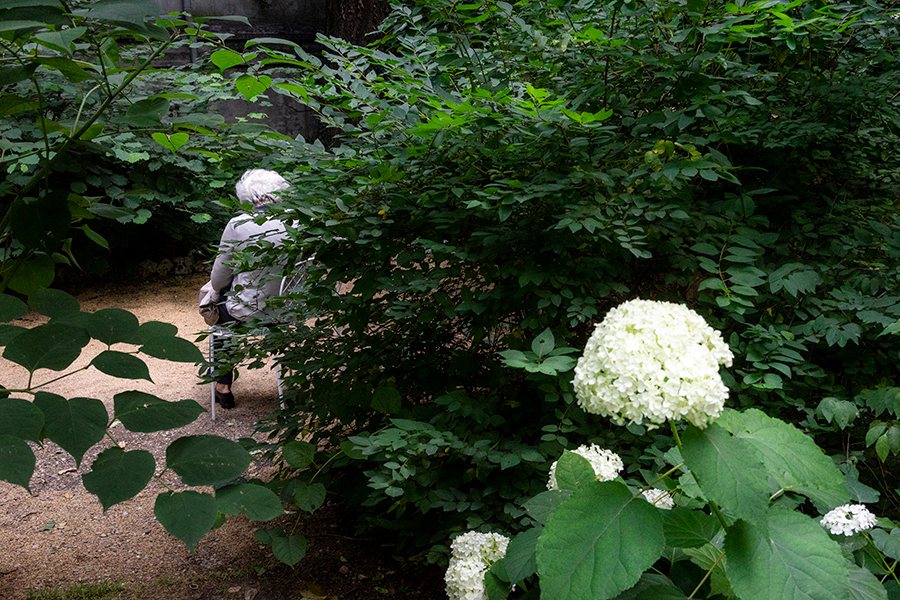
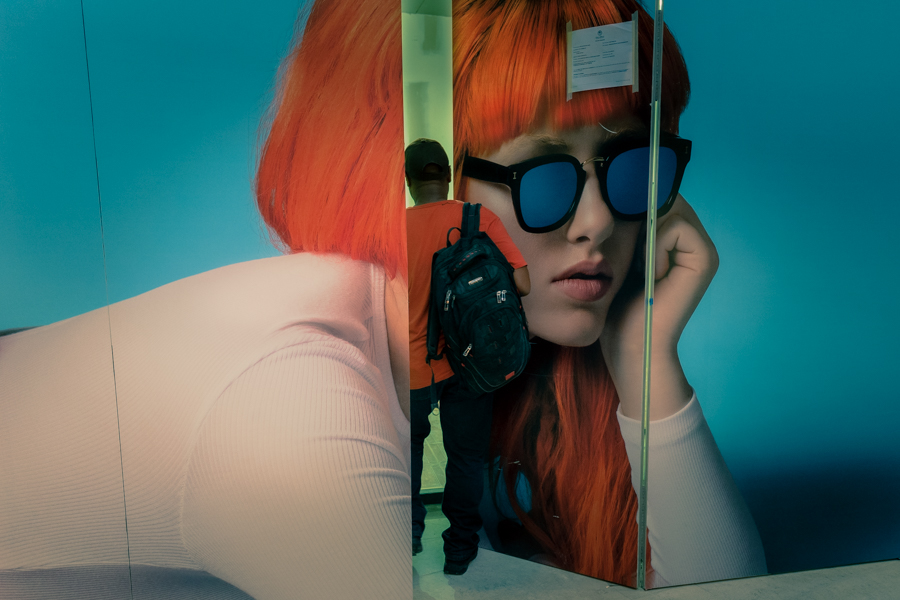
is a type of photograph that records everyday life in a public place. The very publicness of the setting enables the photographer to take candid pictures of strangers, often without their knowledge. Street photographers do not necessarily have a social purpose in mind, but they prefer to isolate and capture moments which might otherwise go unnoticed.

  • Assaf Gavra

    Assaf Gavra

    If you want to catch beasts you don’t see every day,
    You have to go places quite out of the way,
    You have to go places no others can get to.
    You have to get cold and you have to get wet, too. – Dr.Seuss

     We don’t see things as they are, we see things as we are. – Anaïs Nin

    My art is a journey of self-discovery and self-expression. In general, I love photography, from any kind. I always try to express myself with many different photos as I can, my goal isn’t being identified with an art type, but to be identified with successes to bring out the beauty from any place / person, into the eyes and therefor into viewer’s heart.
    I am fascinated by just being able to sit beside the street and watch people pass by, I’m always seeking their facial expressions and, by that, trying to understand what they have been through, try to peal their mask and reveal their soul. I believe that life in progress educates us to hide our true feelings, but it’s inevitable that for a fraction of time we forget about everything and therefor expose our true unmasked mood, and this is exactly where and when I want to be, catch this pure moment of joy, anger, sadness, excitement, just from this reason only I love to take photos, especially my own two daughters which, like any other kids, didn’t learn yet how to camouflage their true inner feeling and almost every second express their true feelings. My experiences are both source of pain and joy, my source of inquiry and inspiration. They are what I tap into when creating my art.
    As a fine art photographer I have often pondered what makes someone buy a piece of art to hang on their wall and look at it every day for years on end. Then I realized that there must be a connection between the moment I took this photo and the moment the person decides to take it into the most intimate place and watch it every day from now on. I want to be able to serve those moments into people’s home to be part of their personality and this aspires me to create meaningful work and sharpen my creative vision.
    Therefore, I don’t believe that the “quality” of the photo is relevant since, whether it is bad, good or great, one’s opinion on what makes a great image is not only endlessly debatable but very personal. What seems to be more is relevant than the subjective quality of an image is how personally compelling that image is to someone and how that image triggers emotions in the viewer. The more “successful” (i.e. popular) the image, the more it resonates with the collective memory, acting as an emotional Rorschach test that triggers many similar universal feelings in different people.
    Originally, I started taking photos as a freediving instructor. I needed to show my students how they act underwater and help them improve their technique. Then I started to move the camera from only technical aspect into emotional too, where I can seek both free divers and other wildlife feelings, I felt a burning and desire to capture the beautiful moments I experienced. And once again the act of photographing is not just as my duties as freediving instructor but also increased my joy. Then the camera eventually and naturally went out of the water and uses almost every day since (I always carry my camera with me) as a bridge toward people, animals and places I met and traveled to, eventually my photo archive became my personal diary.
    My art has since been published on the web, galleries, books, magazines and Television. I’m proud to have costumers from all over the world which bought my art both as hard copies to hang it on their home or office walls and digital copies for their web sites brochures and catalogs.
    I am always concerned with the “decisive moment” and have made a concerted effort to make sure nothing gets in the way of that. Every tool I use to create my work is geared towards my philosophy of capturing that moment from my experiences. To capture animal’s feelings, I use a heavy and high quality equipment (Canon). In crowded places taking street / candid photos where you have to be much stealthier, flexible and responsive, then I use my smaller Leica’s, both equipped with color and B&W sensors. (meaning I don’t convert colored photos into Black and white ones, I just captured them in the way I want to provide it to the viewer).

    Finally, after memorizing the leading quotes in this statement again and again, I can’t summarize and describe myself other than being a traveler, a gatherer of moments and feelings, a truly soul seeker. that leaves me with the big unsolved question. What is the reason I taking photos with such passion ? maybe because I just can’t do otherwise.

    [thb_button_text link=”url:http%3A%2F%2Fwww.gavrassaf.com|title:Assaf%20Gavra%20%20Website|target:%20_blank|”]
    [thb_button_text link=”url:http%3A%2F%2Fwww.instagram.com%2Fhyperfocal_freedom|title:Assaf%20Gavra%20%20Instagram|target:%20_blank|”]
  • Carlos Antonorsi

    Carlos Antonorsi

    Born in Caracas, Venezuela of Corsican and British descent, I have always considered myself a citizen of the world. At 16 years of age I made my way to Vancouver Island, Canada for college, then to England for university; ended up in Greece for 17 years, and for the last few years I have found myself living in Miami, USA. Having been born with what feels like ten thumbs for fingers, photography has become the means to express my artistic stirrings; with light and colors as my canvas, I attempt to paint that breath of time which will never again be.

    [thb_button_text link=”url:http%3A%2F%2Fwww.CarlosAntonorsi.com|title:Carlos%20Antonorsi%20Website|target:%20_blank|”]
    [thb_button_text link=”url:https%3A%2F%2Fwww.instagram.com%2Fc.antonorsi%2F|title:Carlos%20Antonorsi%20Instagram|target:%20_blank|”]

    About The Collection

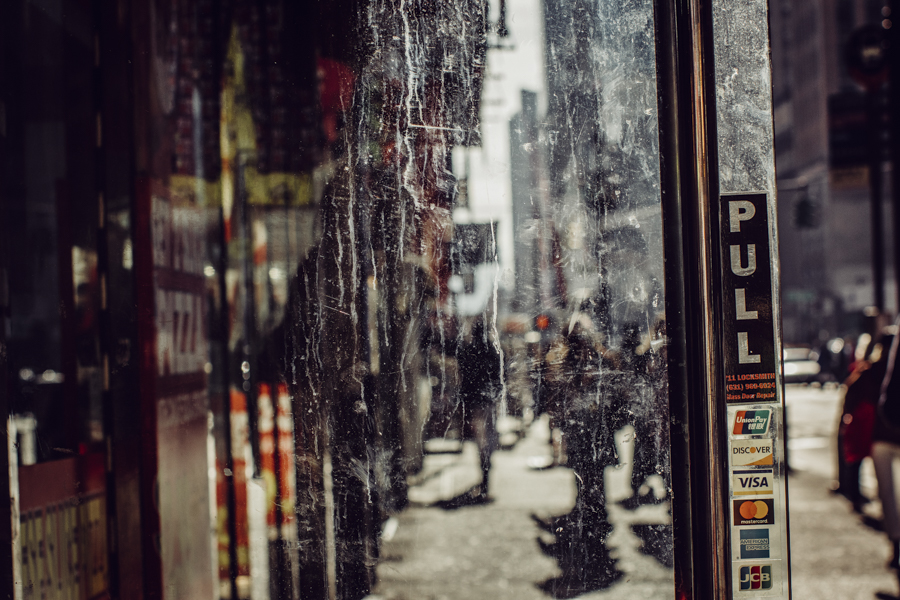
    Miami’s Palette
    Street photography has been my passion for the last few years, light and shadows intrigue me; Miami and its colors have definitely influenced what I see through the lens…here I try to show a personal perception of my ‘City of Light’.

  • Alan Burles

    Alan Burles

    Alan Burles

    I was an advertising art director but I have now turned to photography and since my early twenties I have carried a camera everywhere I go.
    Being in advertising had an extraordinary influence on me because I was fortunate enough to work at Saatchi & Saatchi in London
    which created a vibrant and extraordinary environment in which so many people could flourish.
    It also taught me the power of simplicity and the power of the idea – plus the importance of striving for a point of difference to the trends of the times. My philosophy is to live my life and let photographs come to me, in other words to live in openness.
    My photographs were reviewed in a magazine in China recently and I got the Mandarin text translated.
    The reviewer said: ‘Sometimes it needs you to just enjoy his work, sometimes it requires your eyes to listen to the jokes it’s telling you.’
    I thought that was delightful and now call the way I photograph Listening With My Eyes.

    [thb_button_text link=”url:http%3A%2F%2Fwww.alanburles.com|title:Alan%20Burles%20Website|target:%20_blank|”]
    [thb_button_text link=”url:https%3A%2F%2Fwww.instagram.com%2Falanburles%2F|title:Alan%20Burles%20Instagram|target:%20_blank|”]
  • Giannis Angelakis

    Giannis Angelakis

    Giannis Angelakis is from Chania. He was born in 1979 and has lived most of his life at Chania. He spent some years in England where he did a degree at Cultural and Media Studies at the University of Wolverhampton (BSc) and studied at the Centre for Contemporary Cultural Studies and Sociology at the University of Birmingham. From a very young age he works as a journalist and for the past years he is an official “Fuji-X Photographer”. His work is mainly focused on daily life at the island of Crete as well as covering news stories.

    [thb_button_text link=”url:https%3A%2F%2Fwww.instagram.com%2Fangelakis_gianis%2F|title:Giannis%20Angelakis%20Instagram|target:%20_blank|”]

    About The Collection

    Chania, beyond the tourist fantasy
    Crete, in the years of the financial crisis of 2008 became even more depended on the tourism industry. Everything seemed to evolve around tourism because this was the only “industry” that was making money at a time where salaries were collapsing and unemployment was going to the roof. One side effect of this huge dependence of economy from tourism was that life in Chania was somehow reduced to an image that fits the idea of a touristic destination. People in Crete, according to the dominant narrative, are always smiling, dancing, drinking raki and playing music, enjoying the sun and having fun. Positive stereotypes can become negative when seen from another prism and stereotypes of the joyful native can turn into stereotypes about  laziness. The constant repetition of similar images of picturesque sunny beaches, glorious sunsets and almost caricaturist portraits of “indigenous people” imprints in the minds of visitors that this is really Crete. It casts a shadow to everything else that doesn’t serve the dominant narrative and forces people to comply and adjust to the collective fantasy that move the wheels of economy. In a global level, people are more and more location independent. Just before the coronavirus epidemic, we lived in a time of constant travel and flexibility. Travel is not anymore a matter of having a vacation but is more and more becoming a matter of status. New technologies and social media created a market for the abundance of material created, which is dominated by images of places that should be in a “bucket list”. This was a reality that the dominant division was between those “independent” and able to travel who could reach a higher level of consciousness which surpassed national or local boundaries towards an identity of a cosmopolitan citizen and the natives, those who are bound to a place, who can’t work from a distance, who belong in communities and depend from them. My effort is to bring back to the surface some of the richness of life that does not fit the dominant narrative of what a travel destination is.
    Here, you will find a combination of photos from everyday life in the town of Chania. It is a peculiar mixture of pictures which seem disconnected but I perceive that they somehow capture the complexity of living in a place like Chania from a quite dark perspective.


  • Giedo van der Zwan

    Giedo van der Zwan

    Giedo van der Zwan

    I was born in Amsterdam, The Netherlands in September 1967.
    Photography has been a part of who I am and the way I see the world since the age of 12.
    I rediscovered photography in 2017 as my focus shifted to the street and I completely rediscovered my approach to photography.
    In a much simpler and straightforward way, using my mind to pre-vision and getting rid of excess gear.
    With just one camera/lens (Leica Q) and a flash I started to rediscover my world.
    Working mostly from home and shooting daily life at the seaside close to where I live.
    I also like to travel specifically for photography and preferably with fellow street photographers.
    In the last 3 years I have met many of them all over the world and I’m planning to keep doing so for as long as I can.
    In 2017 I also started my long-term project ‘Pier to Pier’ which is about the 2.5 km of beach
    and boulevard in Scheveningen between the two main Piers.
    In 2018 I published my first photobook under that name and my first solo exhibition,
    which was outside on the Pier for 6 months, and has been visited by more than 200,000 people.
    In the last 2 years I have been so lucky to be awarded by several international street photo festivals and platforms,
    such as from Brussels, Miami, Paris, Trieste, Milan, Poland, Lensculture and Life Framer.
    My work has been published by many different photo magazines and national newspapers online and in print.
    This year my work from Scheveningen is being exhibited by Museum Panorama Mesdag in The Hague in an exhibition that I have been working on for the last two years together with three other photographers under the title ‘Candid’.

    [thb_button_text link=”url:http%3A%2F%2Fwww.giedovanderzwan.com|title:Giedo%20van%20der%20Zwan%20Website|target:%20_blank|”]
    [thb_button_text link=”url:http%3A%2F%2Fwww.instagram.com%2Fgiedovanderzwan|title:Giedo%20van%20der%20Zwan%20Instagram|target:%20_blank|”]

    About The Collection

    This selection is a mix from my local work and the work I made during travels over the last 3 years.
    Inspired by many photographers I developed my own style. This can best be observed in my local work where I prefer to get as close to the seaside visitors as possible, while also aiming to photograph them candidly and using flash to bring out every detail.
    I use different approaches depending on the situation and on my mood.
    Sometimes I mingle with the beach goers and wait for them to get used to my presence and camera.
    At other moments,I concentrate on a composition and/or light or I feel in the mood for hunting and set my camera in fixed manual settings so I can react in an instant when I see something happening.I also like to shoot together with other photographers.
    It creates a different dynamic and inspiration and I often get back home with some new keepers.
    My work is characterized by bright full colours and somewhat absurd looking scenes.
    I like to create a look outside which is reminiscent of a studio shoot. This is why people sometimes think that I stage my shots. But I never do!

  • Maung Thaw Aung

    Maung Thaw Aung

    My name is Maung Thaw Aung (Thaw Aung). Born : 14/9/1984
    I’m started as a photographer since 2013. I’m a life member of Myanmar Photographic Society (MPS).l’m interested in art , street and documentary photography. The photos exhibition i have shown are: ” Yangon Photo Festival 2013 – 2015 ” , ” Yangon Circle Train 2015 photography project ” and  ” We live in Yangon  2016-2017 photography project”. I currently live in Yangon, Myanmar.

    [thb_button_text link=”url:https%3A%2F%2Fwww.instagram.com%2Fmaungthawaung%2F|title:Maung%20Thaw%20Aung%20Instagram|target:%20_blank|”]
  • Christina Noerdam Andersen

    Christina Noerdam Andersen

    I am a self-taught photographer living in Copenhagen, Denmark. As a photographer I recognize the beauty within imperfection and the appreciation of flaws, which makes a scene unique. Chance encounters, fleeting moments and blurry lines. Much like life itself.My passion for photography was sparked in 2010 when Instagram launched. Since then I have not looked back and it has carried me through bad and good times. Above all photography has taught me how to see.

    [thb_button_text link=”url:http%3A%2F%2Fwww.christinanandersen.com|title:Christina%20Noerdam%20Andersen%20Website|target:%20_blank|”]
    [thb_button_text link=”url:https%3A%2F%2Fwww.instagram.com%2Fcirkeline%2F|title:Christina%20Noerdam%20Andersen%20Instagram|target:%20_blank|”]

    About The Collection

    I am attracted to the quiet everyday scenes that are so easily overlooked. This collection of photos are all little fragments that I find worthwhile and beautiful.

  • Francesco Faraci

    Francesco Faraci

    Francesco Faraci was born in Palermo in 1983. After completing his studies in anthropology and sociology, in 2013 he turned to photography and learned from the great European and American photographers in order to develop his own photographic style. The focus of his work is his homeland of Sicily, which he travels far and wide, describing its cultural crossroads and existential paradoxes: birth and death, joy and violence, the solitude that hides among the folds of modernity. He has a particular interest in the minorities and children who are born and grow up in poor, abandoned neighbourhoods. In 2016 his first photographic book Malacarne-Kids come first was published by Crowdbooks and curated by Benedetta Donato: a three-year journey through the outskirts of Palermo, which received the second prize in the photo books section at PX3 in Paris and MIFA. In 2017 his first novel Nella pelle sbagliata (In the wrong skin) was published by Leima Edizioni. Two of his photographs are used for the covers of the Dutch editions of Saviano’s novels La paranza dei bambini (The Piranhas) and Bacio feroce (Savage Kiss). In 2019 he took part in Jovanotti’s “Jova Beach Party” tour to work on a reportage that, starting from the concerts, offered a picture of today’s Italy. The work is published by Rizzoli with the title Jova Beach Party: Cronache di una nuova era (Jova Beach Party: Chronicles of a new era). In 2020 the photobook Atlante Umano Siciliano (Sicilian Human Atlas) is published by emuse.

    [thb_button_text link=”url:http%3A%2F%2Fwww.francescofaraci.com%2F|title:Francesco%20Faraci%20%20Website|target:%20_blank|”]
    [thb_button_text link=”url:https%3A%2F%2Fwww.instagram.com%2Ffaracifra%2F|title:Francesco%20Faraci%20%20Instagram|target:%20_blank|”]

    About The Collection

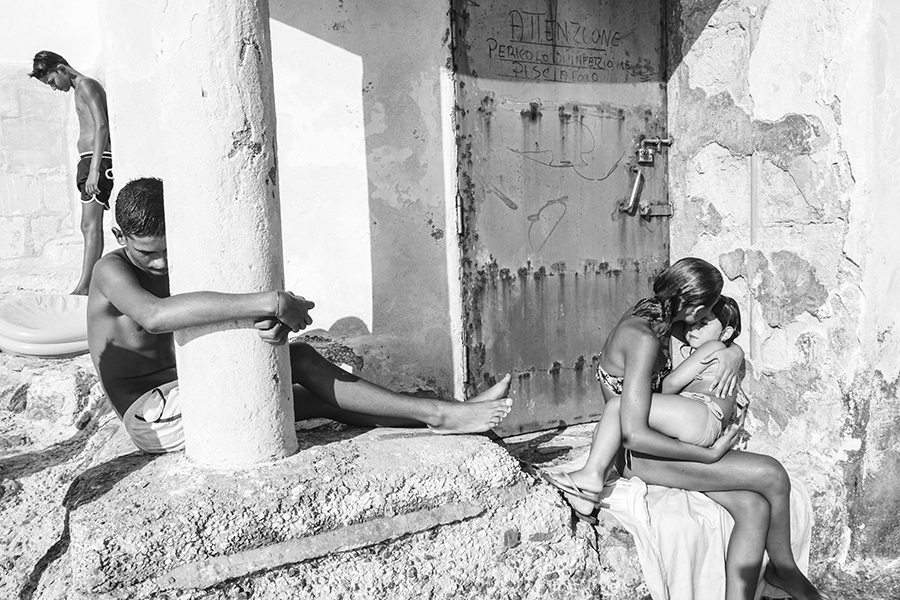
    Sicilian. Human. Atlas.
    Three words that together form a sentence, where each of them has a precise identity. Sicily, a door to enter Europe, to some offering the start of a new life, a point of arrival from neighbouring Africa. For others, the natives, it is a glimpse of the world, its roots running deep. A wonderful land, yet it can be one of the worst. Here nothing is ever as it appears. For contingency, Greek illusion. A work of contrasts: life/death, chaos/silence, resignation/redemption, joy/sadness. Semiabandoned towns where those who leave do not return and middle age is a utopia. The elderly remain, as do the stones of the houses, with doors and windows barred shut and decorated with “For sale” signs. The stones tell of what was and what will be in the near future. We flee Sicily, a land that is dying, and not even slowly. It must be saved in order to not forget, to reproduce on paper what is still there. The paradox is that there is no lack of energy or poetry. In the eternal struggle between leaving and staying, I have chosen to try to stand strong and recount the land I live in, unlike exotic photography that draws us to other places, far away. And yet, opening the doors of the house, opening the metaphorical windows of our lives, that world welcomes us and asks to be described. Life, death, dreams, defeats. Atlas is a journey. No matter how, just where and why. Walking through the geography of the Mediterranean soul, made of sensations, of perceptions that flow from the bare earth after the harvest. Wind, sky, sea currents, sun, moon and salt on the skin. Everything contributes to tracing the signs of the wayfarer’s travels on an imaginary map, who carries nothing but his bones, naked and open to confront surprise, fate, destiny. Human because earthly. Because after all humanity is the focus of the study. His condition of being “modern” in a land that is struggling to evolve and that, when it does, or tries to, gives up a piece of its atavistic identity each time. Sicilian, therefore, means not always being proud. Today, being Sicilian means to set out, to dig deep into the earth knowing that the sea, the only definitive border, has its only limit in the horizon and in the directions of the winds. Three words to describe a borderland. I set off on a journey in search of a small America inspired by Robert Frank and his The Americans. This is the meaning of this work that begged to come out.

  • Mou Aysha

    Mou Aysha

    I have always loved people and have always wanted to learn about them from up close. People, their culture, their experiences, always fascinated me since my childhood. I found out that photography gives me opportunities to go and learn about people and their journeys. Since childhood, I have been fascinated with people and their faces. I grow up in the northern part of Bangladesh and from a young age, I saw a lot of people from the islands. Their faces were always different from other people I had seen. They were burnt with the sun, had a lot of scratches on their face and their eyes were red. All those faces grabbed my attention as a child, one of my main reasons to become a photographer was to capture those incredible faces and bring more light to them. I wanted to share their beautiful and unique faces with others. As I said before I have a special affection for portraits and have, therefore, produced an extensive series of them. Genuine smiles, emotions and people’s stories attract me the most. I want to capture the purest of emotions in my photographs. I also occasionally feel inspired by other subjects and compositions and try not to limit my creative instincts. I also do street life and travel photography. I seek to discover and photograph that which is unseen by me or others, therefore, I find myself becoming an explorer with a powerful desire to travel. During and after my studies at University of Liberal Arts Bangladesh, graduating with a Masters in Applied English Linguistics, I started photography which became a growing passion. I have been following the photography workshops and courses at First Light Institute of Photography since 2014 in Dhaka. I am currently employed as the administrator at this non-profit institute and I’m also involved as a volunteer for social and humanitarian projects of First Light Institute. Now I dedicate myself to capturing the best moments of life as I see and feel them. I believe that with empathy, compassion, and love, we can change the world for the better as artists. I am a positive person who sees beauty in everything.

    [thb_button_text link=”url:https%3A%2F%2Finstagram.com%2Fmou_aysha|title:Mou%20Aysha%20Instagram|target:%20_blank|”]
  • Vipin Singh

    Vipin Singh

    I am Delhi based street photographer and film-maker. Got started into photography with a mobile phone camera capturing interesting candid moments of friends in my hostel in Kota. Later on as I discovered more about photography, I got to know that the kind of photography I was doing is called street photography. Being too introvert and street being totally into strangers was a perfect plug for me to step out of my comfort zone and change my perspective about life and people. My photographs have been published in natgeo yourshot & eyeshot magazine. I won HP CHALLENGE YOUR VIEW 2019 and was finalist in phosofia street photography festival & HIPA 2018 HOPE. I was exhibited in Natgeo Yourshot project “A Planet in Balance” at Photo fest, Mexico.

    [thb_button_text link=”url:http%3A%2F%2Fwww.svarasa.art|title:Vipin%20Singh%20Website|target:%20_blank|”]
    [thb_button_text link=”url:https%3A%2F%2Fwww.instagram.com%2Fsvarasa%2F|title:Vipin%20Singh%20Instagram|target:%20_blank|”]

    About The Collection

    Over the years discovering my instincts, I like to shoot every part of my local urbanscape and their relationships with each other. I like to shoot people and street animals in a surreal, poetic, illusion or dynamic way. I try to take storytelling photographs which are individual stories and can be part of universal narrative.

  • Monserrat Orallo Alvarez

    Monserrat Orallo Alvarez

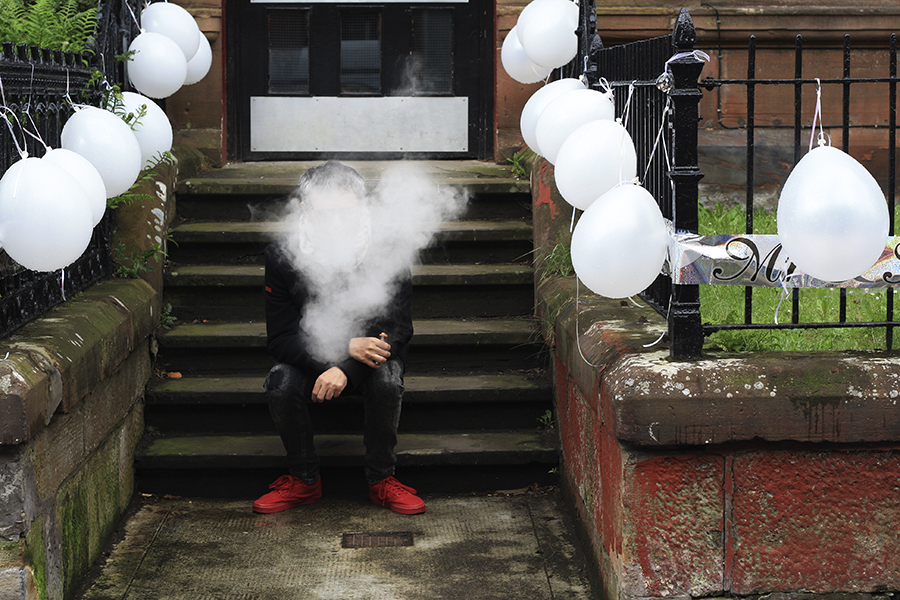
    Born in Spain, living in Scotland. Monserrat Orallo has always had a strong attraction to what people do when walking down the street because she thinks these are the moments when there are no distractions from being yourself and you are simply living in the moment. Her interest in photography started when she was 12, her older sister bought a camera and she used it whenever she had the Opportunities.In 2011, She decided to take photography seriously so she went to College. On the first day of class her teacher gave her a camera and a roll of 36 frames and told her to go into the street to take photographs for the next couple of hours. When she returned, most of her pictures were of people that she had encountered that day and she discovered that photography could be a medium to reflect these brief moments of observation.

    [thb_button_text link=”url:https%3A%2F%2Fwww.instagram.com%2Fmonse_orallo%2F|title:Monserrat%20Orallo%20Alvarez%20Instagram|target:%20_blank|”]

    About The Collection

    I wander the street looking for moments of our daily life, the moments that may otherwise go unseen. In these moments I like to explore our ideas of beauty and ugliness, and our perception of what is common and what is unusual. I look for the fleeting moments of social interaction and human behaviour.

  • Jasmin Gendron

    Jasmin Gendron

    I’m a ​​​French Canadian Photographer residing in Nikko, Japan. I consider myself an autodidact who gets inspired by trips, trivial, and events to step out of my comfort zone. I like to use street photography to immortalize energy and emotions from magnificent, human, and comical scenes. When taking photos, I prefer an unobtrusive approach. It helps me to explore how the environment impacts human actions and decisions.

    [thb_button_text link=”url:https%3A%2F%2Fwww.jasmingendron.com|title:Jasmin%20Gendron%20Website|target:%20_blank|”]
    [thb_button_text link=”url:https%3A%2F%2Fwww.instagram.com%2Fjasgendron|title:Jasmin%20Gendron%20Instagram|target:%20_blank|”]

    About The Collection

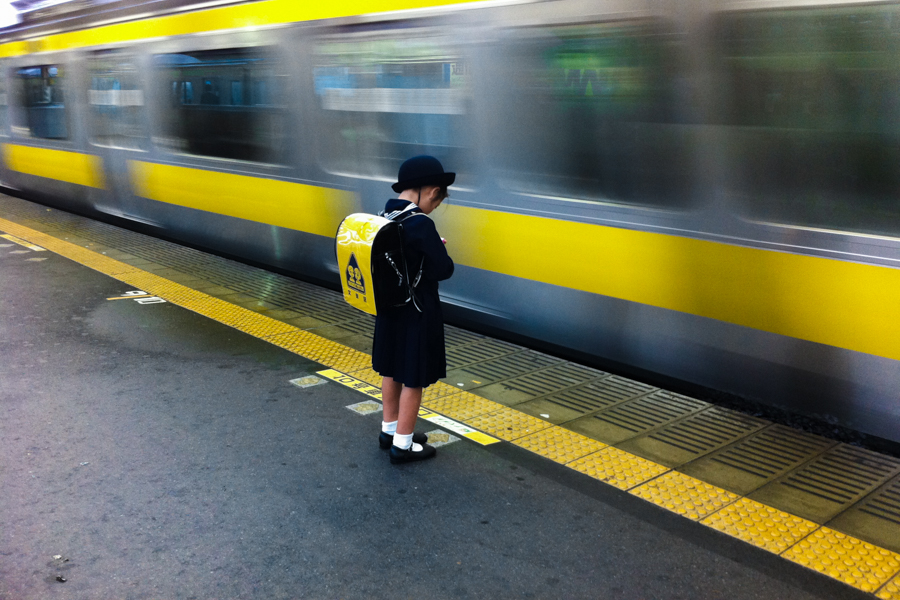
    For the last couple of years, I’ve been spending quite a lot of time exploring daily life and searching for uniques scenes in one of the most exciting cities in the world; Tokyo. Since my first visit in 2006, the Japanese Capital has always been an endless source of inspiration, and I am very grateful to be able to capture and document it on a regular basis. Armed with my camera, I’ve walked in the streets of Tokyo more than in any other city in the world, and I want to keep exploring its super crowded and popular areas as much as its hidden and unknown district. On the other side, I am also very grateful to be living in the mountains of Tochigi. The World Heritage Site, Nikko’s beautiful nature, and the thousands of tourists coming over every year help me to balance my work as a photographer.
    This collection is a random selection of my favorite photographs taken over the past years in Tokyo and Nikko.