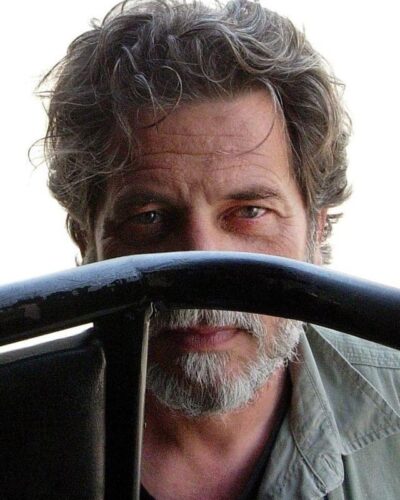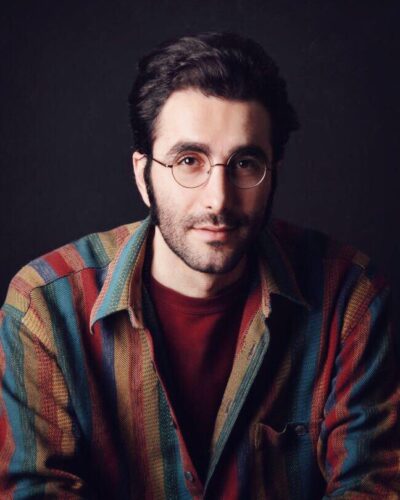
Mathias Wasik
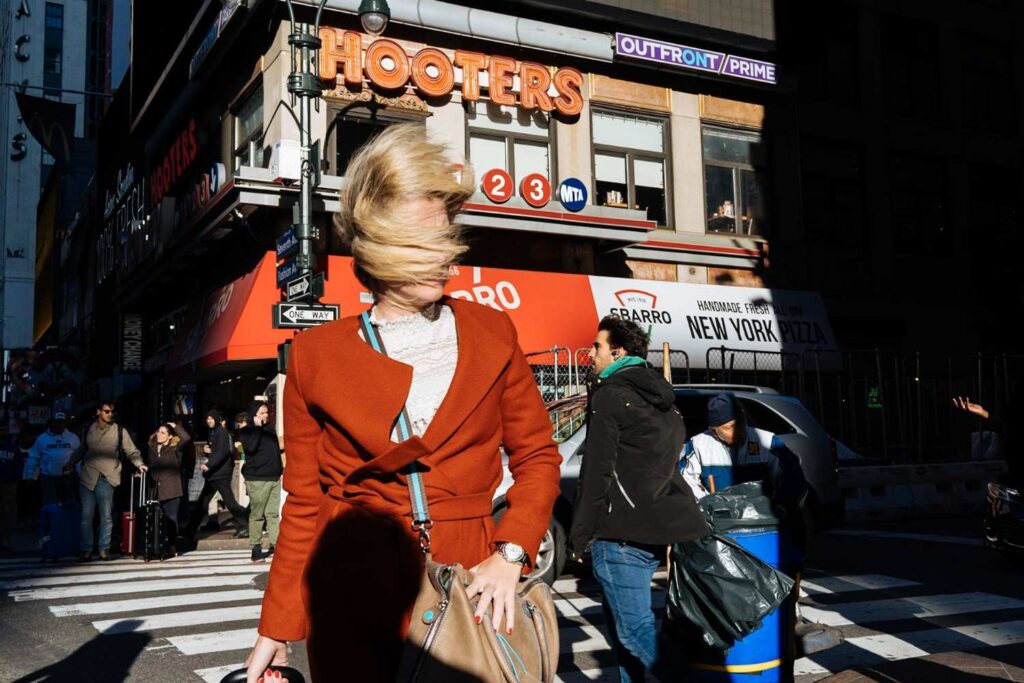 Mathias Wasik is a photographer whose work presents an insightful view into the daily life of contemporary urban environments. His photography uncovers the contrasting aspects of city life, revealing both its polished facade and its more obscure, grittier sides. Mathias approaches photography with a documentary eye, seeking scenes that feel both intimate and universal. His work [...]
 Ivan Margot
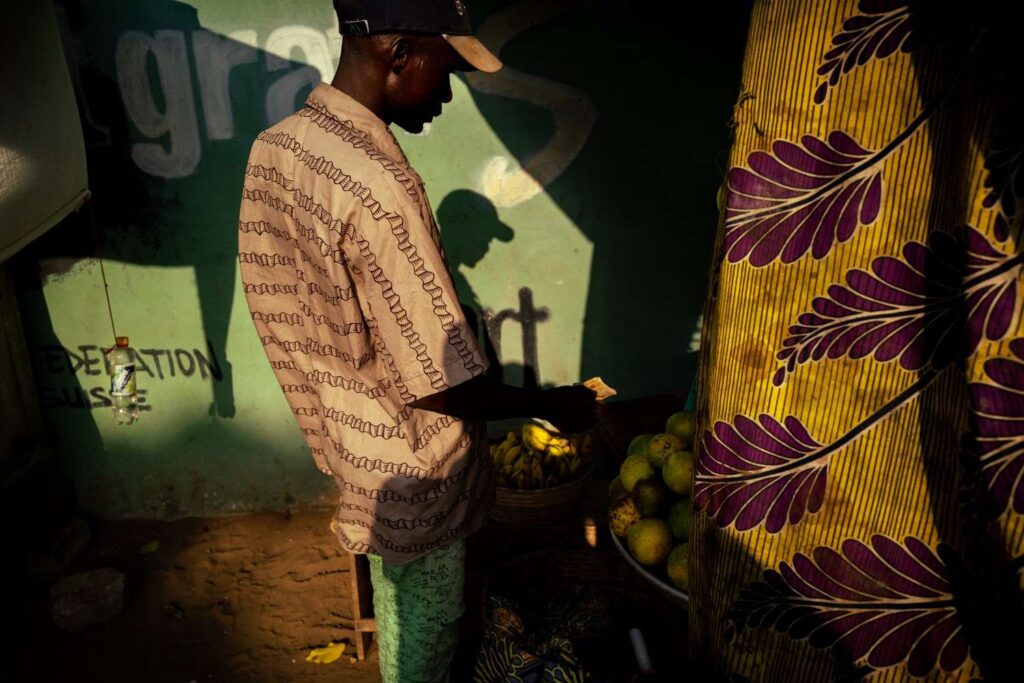 Ivan was born in Lausanne, Switzerland, he gets his degree in Graphic Design & Communication from the ECAL School in Lausanne. He currently works in Barcelona as a free-lance for several advertising agencies and spends most of his time researching and working on various projects related to street photography. He is especially interested in the [...]
 Forrest Walker
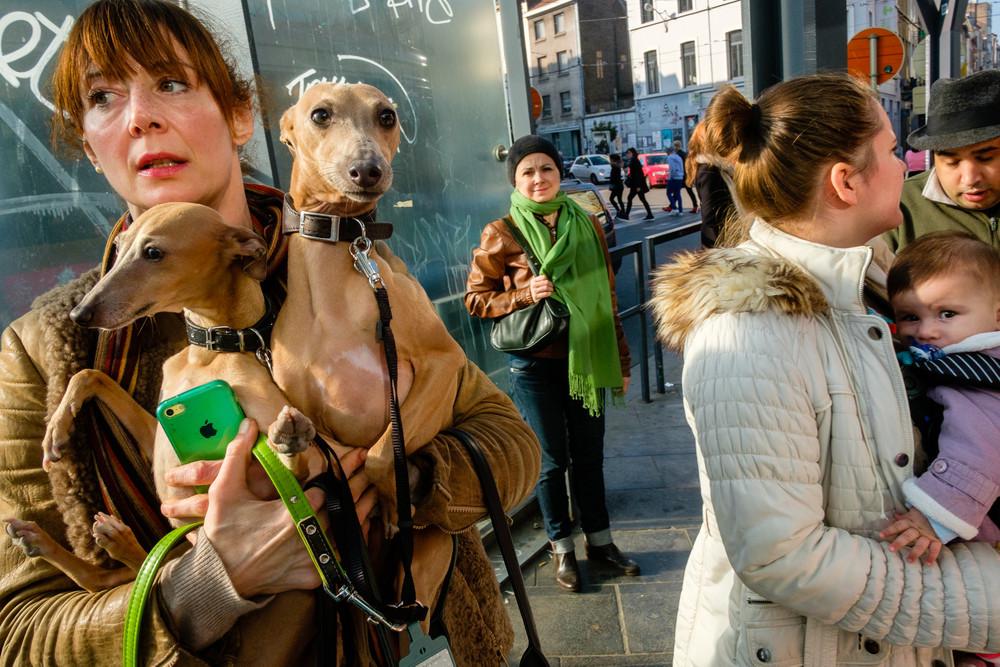 “As fearless a Street Photographer as they come..." - Spyros Papaspyropoulos (Co-founder of StreetHunters.net) Forrest Walker is an award winning photographer from Portland, Oregon, USA. His work has been exhibited across multiple continents, bringing a passion for capturing candid interest in living color, along with a fearless obsession for exploration. He has been featured across media [...]
 jamel shabazz
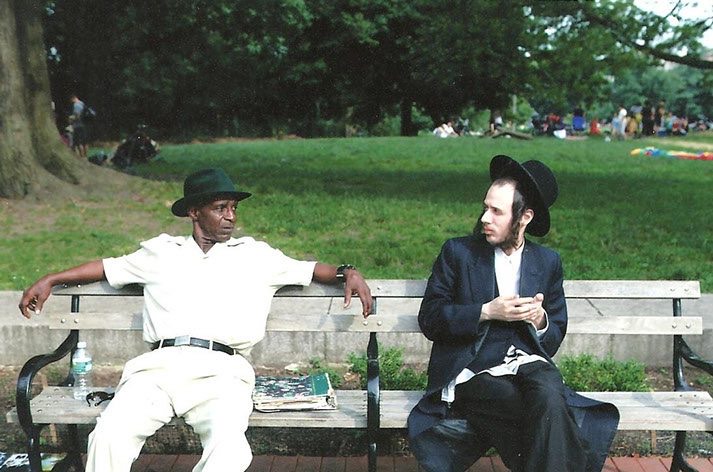 Eyes on the street Jamel Shabazz is best known for his iconic photographs of New York City during the 1980s. A documentary, fashion, and street photographer, he has authored 12 monographs and contributed to over three dozen other photography related books. His photographs have been exhibited worldwide and his work is housed within the permanent [...]
 Gavin Bragdon
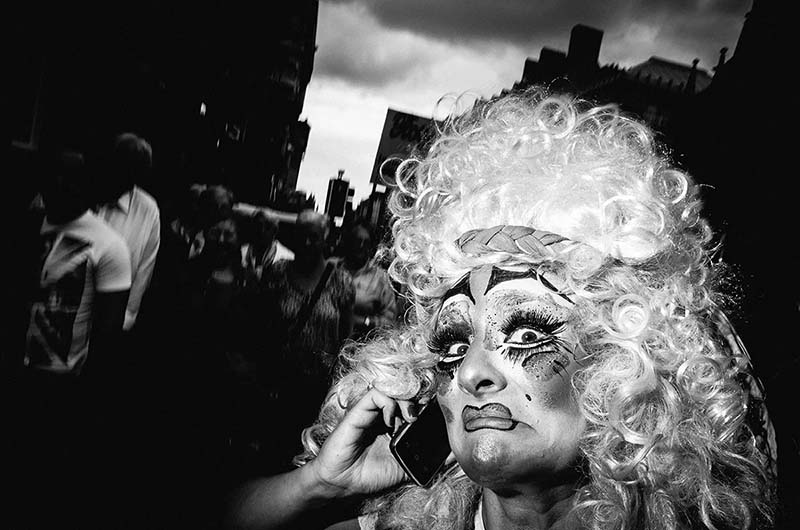 Originally from the US, I’ve been moving around back and forth across the Atlantic since I was 6 years old. Since 2009 I have been here in Edinburgh, Scotland. In 2011 I was in a rut creatively with music. I did, like almost anyone else take photographs but it was a side thing and not [...]
 Alex Sturrock
 A street photographer’s poignant snapshots capture the humans of London Alex Sturrock is a photographer who has spent much of his career documenting the lives of ordinary London residents. Sturrock explains how Instagram has “re-energized street photography” but can also make his subjects vulnerable to public shaming. These photos were all taken over the last year. They were taken [...]
 Elizabeth Bick
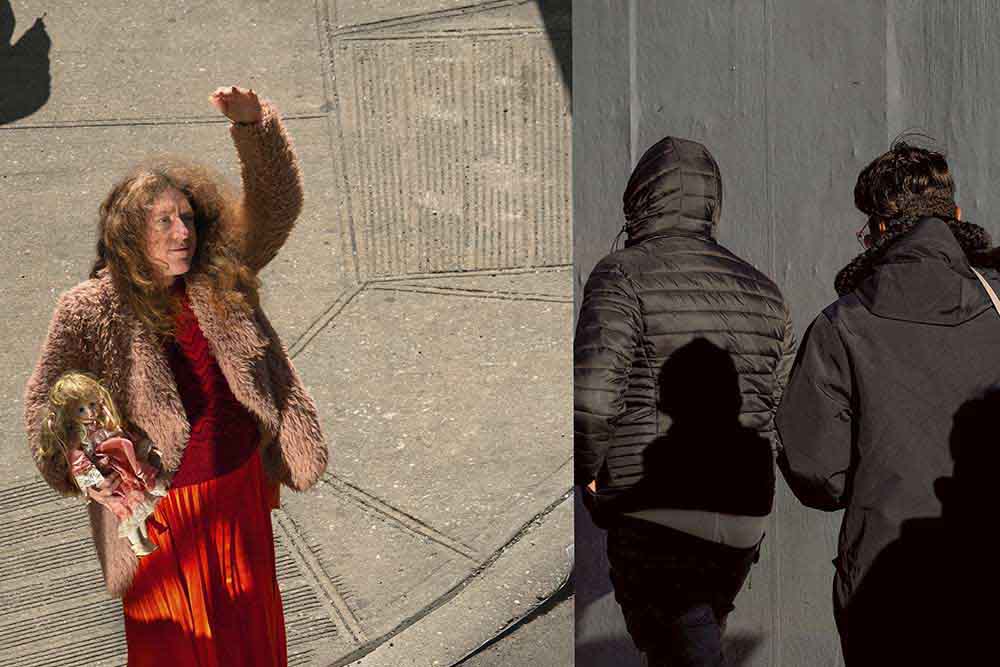 BIO Elizabeth Bick is a photographer and former dancer whose work explores movement and public space. Her work has been exhibited internationally, including Fraenkel Gallery, Norton Museum and Ogden Museum. She has received awards and grants from the Pollock-Krasner and Joan Mitchell Foundations, and the Rudin Prize. She's been featured in The New York Times, [...]
 Edwin Carungay
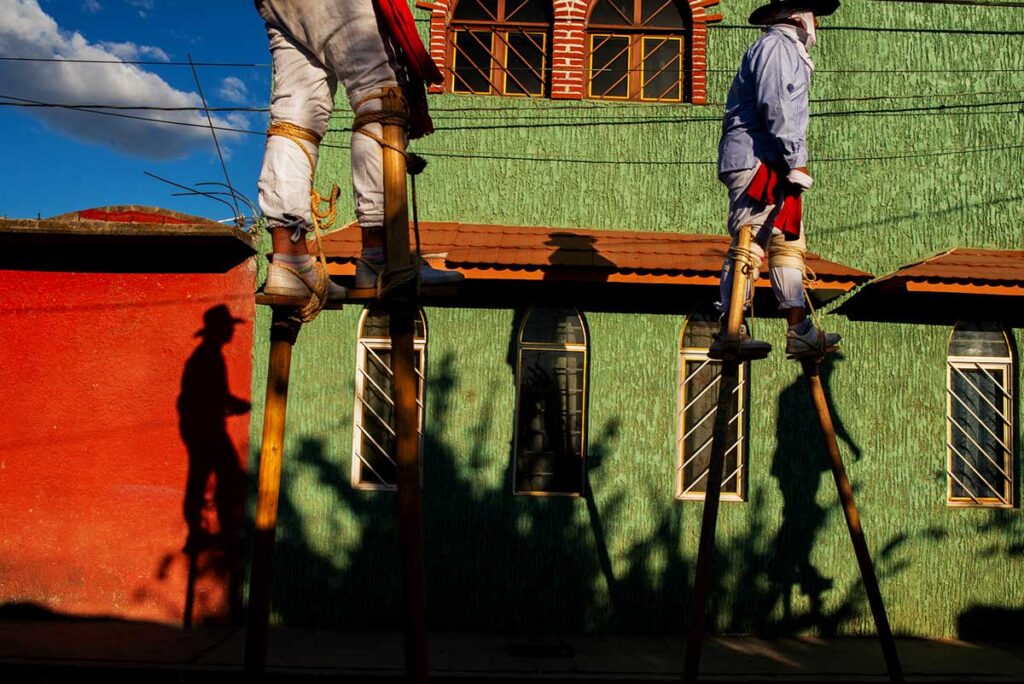 Presence A Great Divide offers a warm and candid glimpse into several beloved community celebrations within Oaxaca, México, where tradition and devotion blend through Catholic and indigenous practices. The zancudos, or mosquitoes in English, are stilt-walking performers who parade and dance through their community, their towering figures and long shadows resembling the slender legs of [...]
 Sandra Fine
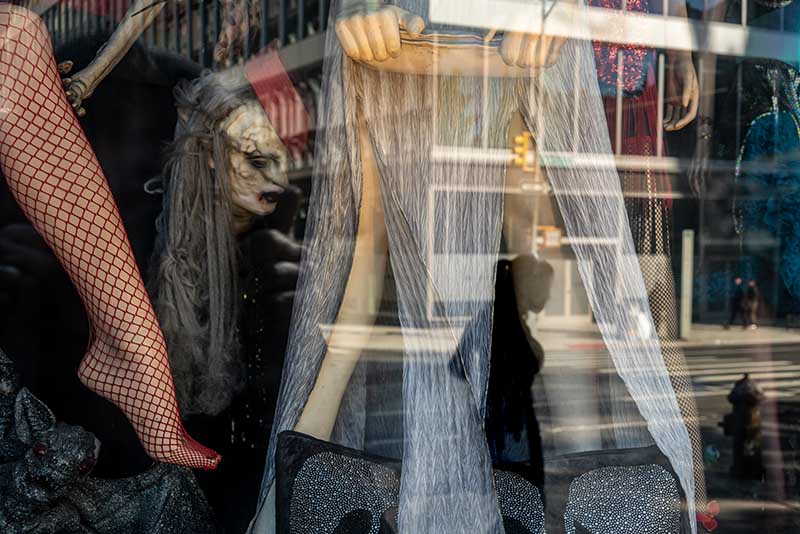 Complexities “Complexities” is a continuing series exploring light and reflections in the urban environment. The images are multi-layered and collage-like. The layering of light and movement with the existing static environment of buildings and streets, and the inside and outside of things merging together for a brief moment, keeps me challenged and amazed at the [...]
 Nick Spector
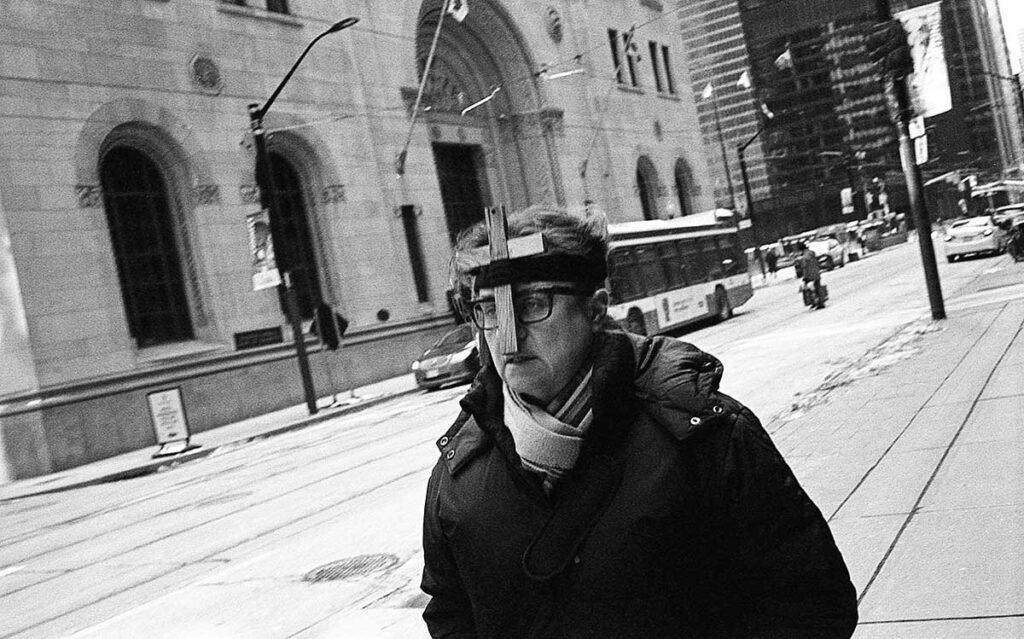 NULL I grew up as an only child in an unconventional family. Familial ties were not defined by blood and heredity. Through this upbringing, I have developed an acute appreciation for finding connective threads, even when they’re not obvious. My photos are a glimpse into lives lived in parallel. The dichotomy between connection and solitude. [...]
 Mania De Praeter
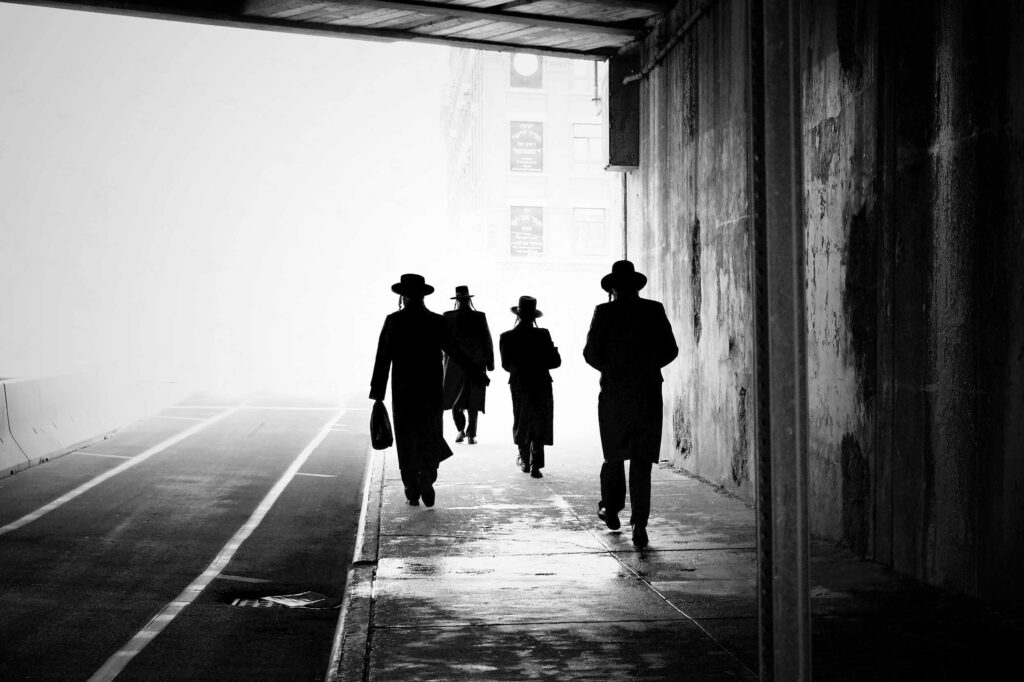 N'Gossip' There is a large jewish community in Antwerp and New York. Antwerp is my hometown and the New York is the hometown of the love of my life. Both communities are close to my houses so I frequently go there whenever my schedule allows it to observe daily life and wait for beautiful light [...]
 Argus Paul Estabrook
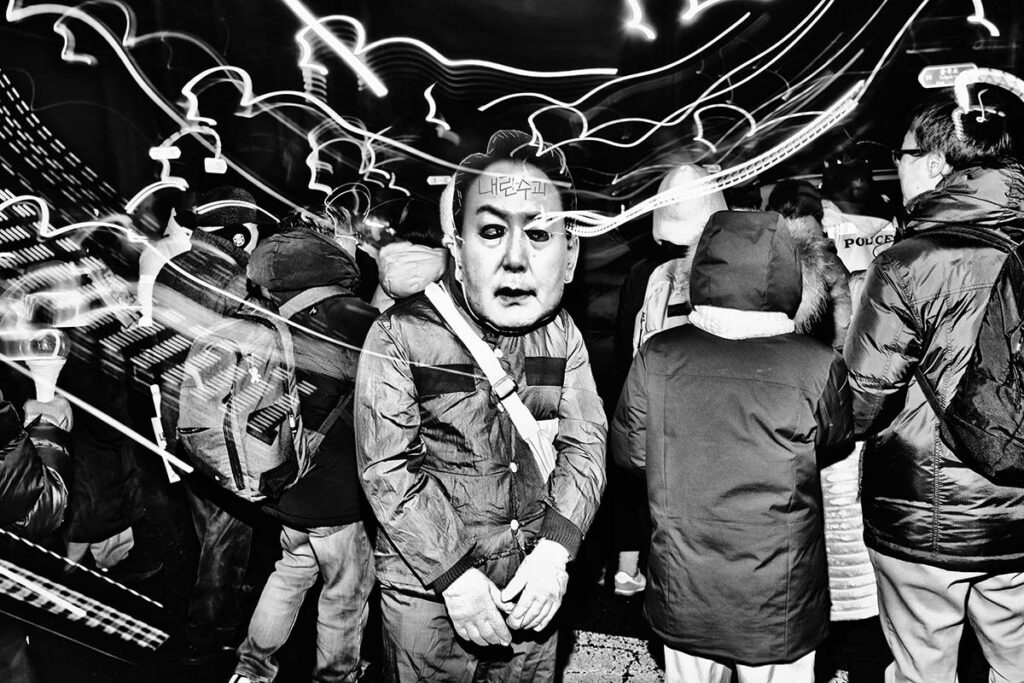 Where Do We \"Where Do We\" is a street photography series that captures the spirit of South Korea’s anti-Yoon Suk Yeol protests, documenting the political crossroads of a nation. These demonstrations were sparked by President Yoon’s surprise declaration of martial law on December 3, 2024, in which he accused the Democratic Party (DPK) of subversive [...]